Key Takeaways
- The AI boom is identified as a primary driver of persistent inflation, compelling the Fed to maintain a hawkish stance.
- The Federal Reserve is likely to hike interest rates through 2027 to combat this AI-fueled inflation.
- This sustained period of higher rates will squeeze tech company valuations and capital availability.
Market Impact
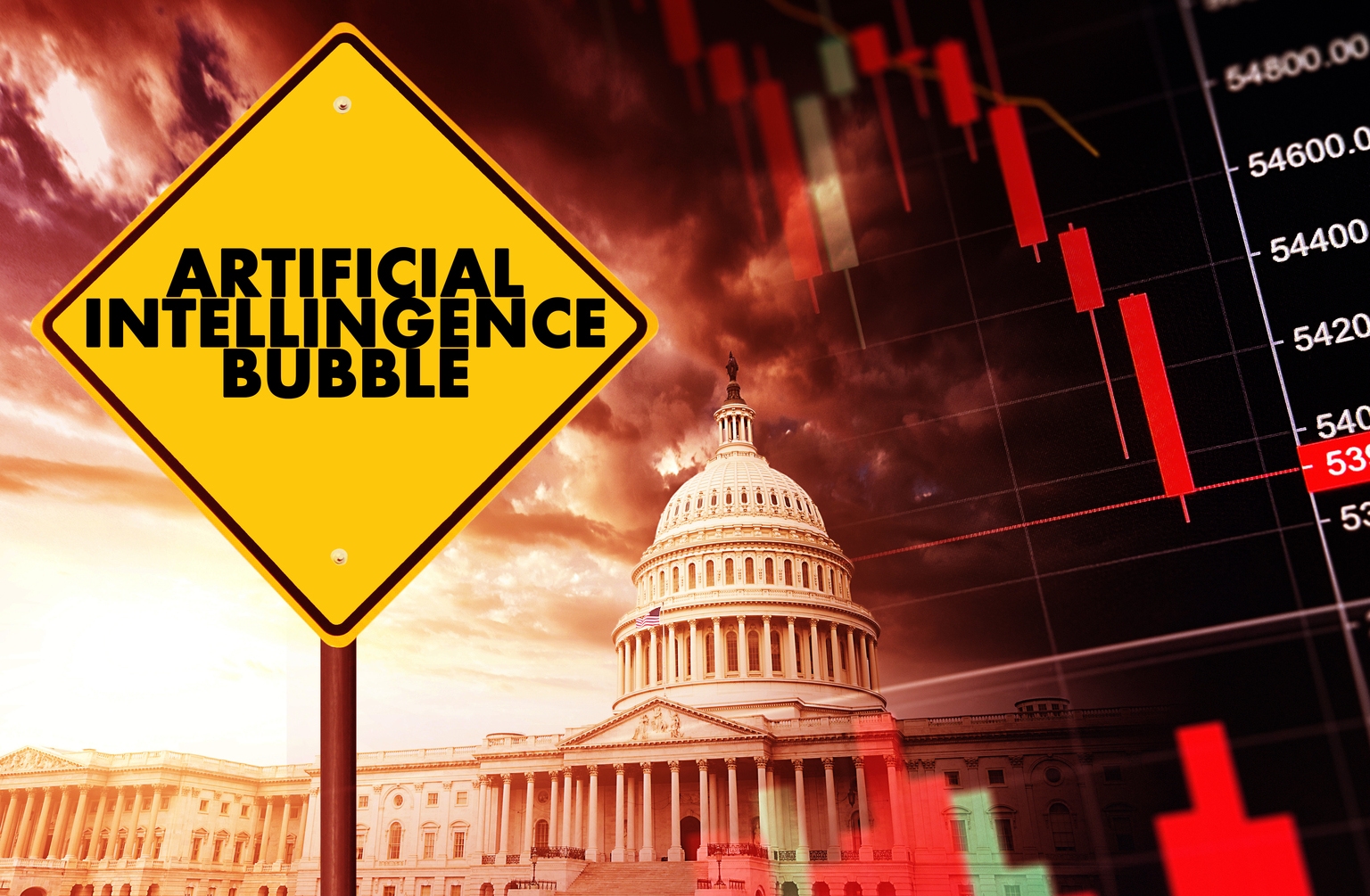
The prospect of sustained high interest rates well into 2027 due to AI-driven inflation poses a significant headwind for growth-oriented tech stocks. Higher borrowing costs will depress valuations, potentially slowing investment in new AI ventures and challenging companies reliant on readily available capital for expansion. This environment could trigger a re-evaluation of current AI sector valuations and growth expectations.
FAQ
What does "hawkish stance" mean for the Fed?
A hawkish stance means the Federal Reserve is prioritizing fighting inflation, typically through higher interest rates and tighter monetary policy, even if it means slowing economic growth.
How might prolonged rate hikes affect AI startups?
Prolonged rate hikes increase the cost of capital, making it more expensive for AI startups to borrow money for R&D and expansion, potentially leading to slower growth, reduced valuations, and increased pressure to achieve profitability sooner.