Key Takeaways
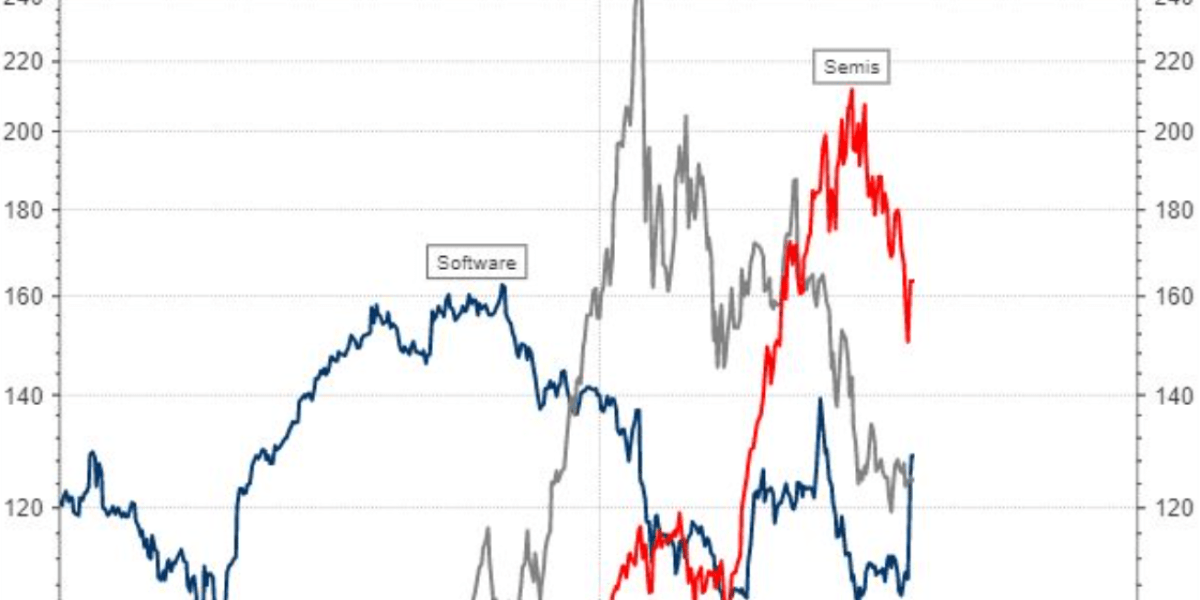
- The AI market is characterized by a "rolling sequence of bubbles," not a single, monolithic bubble.
- Investors should anticipate cyclical periods of inflation and correction across different AI sub-sectors.
- This contrarian perspective challenges the conventional debate around a singular AI bubble's existence or timing.
Market Impact
This perspective implies that tech investors will need to adopt more nuanced and agile strategies, focusing on specific AI verticals rather than a broad market outlook. It suggests that while some segments may experience sharp corrections, others could continue to see significant growth, leading to prolonged market dynamism rather than an abrupt overall collapse.
FAQ
What does a "rolling sequence of bubbles" mean for AI investors?
It means investors should expect multiple periods of rapid price inflation followed by corrections within different AI sub-sectors over time, necessitating a flexible and sector-specific investment approach.
How does this view differ from the standard AI bubble debate?
Rather than questioning if there's one overarching AI bubble that will eventually pop, this view suggests that the AI market will naturally generate a series of distinct bubbles in various technologies and applications, each with its own lifecycle.